Tired of Stressing Over Travel Safety? This Smart Routine Keeps Me Protected Everywhere
Traveling should be exciting, not exhausting. Yet, how often do we leave home wondering, Did I lock the door? Is my passport safe? What if I get lost or sick abroad? These worries creep in, even for seasoned travelers. I used to overpack, over-plan, and still feel unprepared. But everything changed when I started using simple tech tools—not for flashy gadgets, but for real peace of mind. This isn’t about high-tech tricks; it’s about smart, human-centered habits that keep you safe, calm, and in control—no matter where you go.
The Moment I Realized I Wasn’t as Safe as I Thought
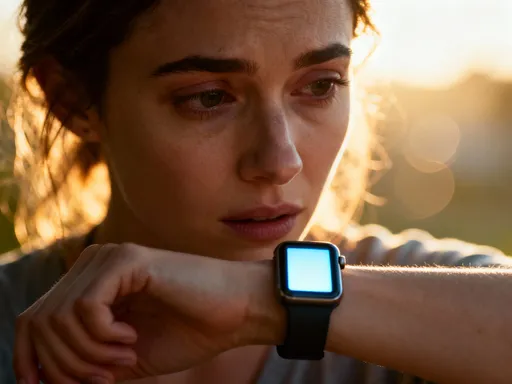
I’ll never forget that rainy afternoon in Lisbon. I was standing in front of a narrow alley, soaked and shivering, trying to pull up directions on my phone—only to realize it had died. No charger. No backup plan. Worse, my passport was tucked in my front pocket, my bag was open, and I had no idea where my hotel even was. That moment wasn’t just inconvenient; it was terrifying. I felt completely exposed. I kept thinking, How did I let this happen? I’m supposed to be careful. But the truth was, I wasn’t careless—I was just unprepared in the right way.
That trip became a turning point. I realized I’d been relying on memory, luck, and old habits instead of the tools I already owned. I wasn’t using technology to support my safety—I was treating it like an afterthought. From that day on, I made a promise to myself: no more winging it. Not because I wanted to live in fear, but because I deserved to travel with confidence. And the good news? It didn’t require expensive gear or complicated systems. It started with one small shift—seeing my everyday devices not just as tools for scrolling or snapping photos, but as real guardians of my well-being.
Travel safety isn’t about paranoia. It’s about preparation. It’s about giving yourself the gift of calm by putting simple, smart systems in place. And once I embraced that mindset, everything changed. I stopped feeling like I was one wrong turn away from disaster. Instead, I started feeling capable, grounded, and free to actually enjoy the journey.
How My Phone Became My Travel Guardian (Without Any New Apps)
Let’s be honest—most of us carry a powerful safety device in our pockets every single day: our smartphones. But how many of us truly use them that way? I used to think of my phone as just a camera, a map, or a way to text friends. Then I learned how to turn it into my personal travel guardian—using only the features already built in.
One of the most powerful tools? Real-time location sharing. I now share my location with my sister and mom during every trip, especially when I’m traveling alone. I don’t do it because I think something will go wrong—I do it because it gives them peace of mind, and honestly, it gives me comfort too. When I was disoriented in Tokyo and missed my train stop, my sister saw I wasn’t moving and texted me: Hey, are you okay? You’ve been in the same spot for 20 minutes. That simple check-in helped me regroup, find my way, and avoid a full-blown panic. It wasn’t magic—just thoughtful use of a feature I already had.
Another game-changer: offline maps. I download maps of every city I visit before I land. That way, if I lose data or my phone dies, I’m not helpless. I can still see where I am, find my hotel, and navigate back to safety. And let’s not forget emergency SOS—on most phones, you can quickly alert emergency services and notify trusted contacts with just a few presses. I hope I never need it, but knowing it’s there changes how I feel. It’s like having a quiet safety net, always within reach.
The best part? None of this required buying anything new. No subscriptions, no downloads, no fancy gadgets. Just learning to use what I already own—smarter.
The Digital Backup That Saved My Trip (and My Sanity)
Two years ago, I had a moment that could’ve derailed my entire vacation. I was in Barcelona, stepping off a metro, when someone snatched my day bag. It wasn’t heavy, but it held everything I thought I’d need: my wallet, my printed hotel confirmation, and—most importantly—my passport copy. My heart dropped. I felt sick. But then I remembered: I had a digital backup.
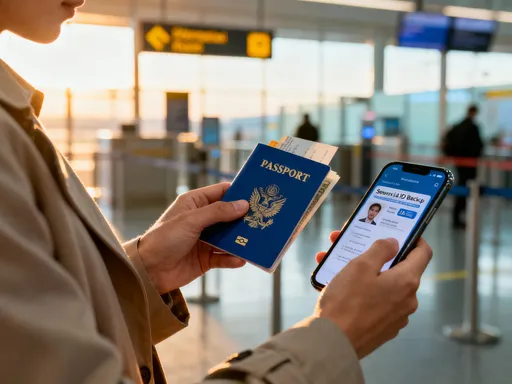
Before I left home, I scanned all my important documents—passport, visa, insurance card, hotel reservations—and uploaded them to a secure cloud folder. I shared access with my sister and saved a second copy on a password-protected note on my phone. When the bag was taken, I was able to pull up my passport scan within minutes, show it to local authorities, and get help from my embassy. I didn’t lose my trip. I didn’t lose my sense of safety. Because I had prepared for the unexpected.
Here’s how I do it now, every single time: I create a digital travel file. I use a free cloud storage service—nothing fancy. I label it clearly: Travel Docs – Paris 2024 or whatever the trip is. I upload color scans of every document, including my travel insurance policy. I make sure the files are clear, full-page, and easy to read. Then, I share the folder with one trusted family member. Not because I expect them to use it—but because if I can’t access it, they can send it to me or help me from afar.
This isn’t just about convenience. It’s about emotional resilience. When something goes wrong, the last thing you need is to feel helpless. Having that backup didn’t just save my trip—it saved my calm. It reminded me that I’m not alone, even when I’m far from home. And the best part? Setting it up takes less than 15 minutes. It’s one of the most powerful things you can do to protect your peace of mind.
Smart Packing with a Safety Mindset
We all have our travel must-haves: comfy shoes, a good book, maybe a favorite sweater. But over the years, I’ve started packing with a new priority in mind: safety. Not in a fear-driven way—but in a thoughtful, empowering way. I now ask myself: What small items can I bring that will help me feel more secure, confident, and in control?
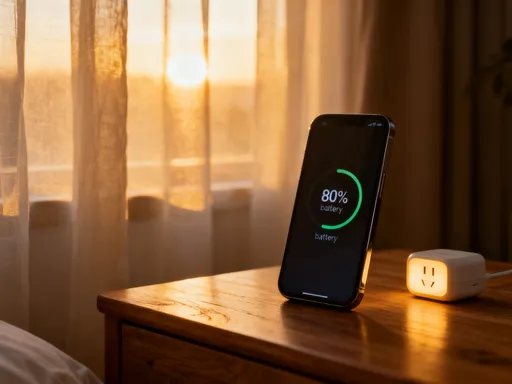
One of my non-negotiables? A portable power bank. I used to roll my eyes at them, thinking they were bulky and unnecessary. But after my phone died in Lisbon, I got a compact, high-capacity one. Now, I never worry about losing connection. I can call for help, use maps, or check in with family—no matter where I am. It’s not just a charger; it’s a lifeline.
Another quiet hero: my RFID-blocking money belt. I wear it under my clothes, and it holds my passport, extra cash, and credit cards. It’s not glamorous, but it’s saved me from pickpockets in crowded markets and busy train stations. I also pack noise-canceling headphones—not just for long flights, but for staying aware. When I’m in a busy airport or unfamiliar neighborhood, I keep one ear free so I can hear my surroundings. Technology should help me tune in, not tune out.
Even my luggage choice has changed. I now use a bag with lockable zippers and a GPS tracker inside. Not because I expect it to be stolen, but because if it gets lost, I can find it. I’ve seen it happen to friends—luggage gone, no way to track it. That stress is avoidable. These aren’t extreme measures. They’re small, smart choices that add up to big confidence. And when you feel safe, you can actually relax and enjoy your trip.
Staying Connected Without Feeling Exposed
Let’s talk about something we all do but rarely think about: connecting to public Wi-Fi. Airport lounges, hotel lobbies, cafes—free internet is everywhere when you travel. But here’s the truth: it’s not always safe. I learned this the hard way when I tried to check my bank balance at a kiosk in Rome and got a warning about a suspicious login attempt. Someone was trying to access my account.
That moment scared me, but it also taught me something important: staying connected shouldn’t mean giving up your privacy. Now, I use a simple tool that’s become part of my routine—a virtual private network, or VPN. It’s like a private tunnel for my internet connection. When I join public Wi-Fi, my data is encrypted, so hackers can’t see what I’m doing. I use a trusted, subscription-based service, but there are reliable free options too. The key is consistency: I turn it on every time I go online in a public place.
I’ve even started talking to my mom and sister about this. They used to roll their eyes when I mentioned online safety, but after my story, they asked me to show them how to set it up. Now, they use a VPN too. I don’t do it to scare them—I do it to empower them. Because digital safety isn’t just for tech experts. It’s for all of us who want to stay in control while sharing our adventures online.
And speaking of sharing—there’s a balance. I love posting photos and updates from my trips. But I’ve learned not to share in real time. I wait until I’ve left a location before posting that I was there. That way, I’m not telling the world when my hotel room is empty. A little caution goes a long way. Staying connected doesn’t mean being exposed. With a few smart habits, you can enjoy the best of both: sharing your joy and keeping your safety.
Teaching My Family to Stay Safe—Without Sounding Like a Control Freak
When I first started talking to my family about travel safety routines, I’ll admit—I didn’t do it well. I came across as preachy. I remember saying to my sister, You really should back up your passport, and she just laughed and said, Relax, I’ll be fine. I realized I was focusing on the fear instead of the freedom these tools could give her.
So I changed my approach. Instead of saying You should, I started with This is what works for me. I showed her my digital folder, walked her through how I share location with mom, and explained how a power bank saved me during a long layover. I made it about care, not control. And slowly, she started asking questions. Then she started doing it too.
Before our last group trip to Portugal, I created a shared family folder. We all uploaded our documents, flight details, and emergency contacts. We set up a group chat where we’d check in each morning and night. It wasn’t about surveillance—it was about connection. When my mom got delayed at the airport, we all knew. When my sister found a beautiful hidden beach, she shared the location with one tap. These small tech habits didn’t create distance—they brought us closer.
What surprised me most was how much more relaxed we all felt. No one was stressing about lost tickets or missed calls. We trusted the system, and that trust let us be more present. Technology, when used with love, doesn’t replace human connection—it strengthens it. And now, my sister texts me before every trip: Folder ready. Location sharing on. Let’s go. That’s the win—not just safety, but togetherness.
Building a Travel Safety Habit That Sticks
Here’s what I’ve learned: one-time fixes don’t last. You can download offline maps the night before your flight, but if you’re stressed and rushing, you might forget. That’s why I built a simple pre-travel routine—a 10-minute checklist I do every single time, no matter how short the trip.
It starts three days before I leave. I scan and upload my documents. I charge my power bank and pack it. I test my headphones and confirm my VPN is working. The night before, I turn on location sharing with my family and send them my itinerary. And 10 minutes before I walk out the door, I do a final tech check: phone charged, backup docs accessible, emergency contacts updated.
At first, it felt like one more thing to do. But now, it’s as natural as brushing my teeth. And the payoff? Massive. I don’t lie awake wondering if I locked the door or if my passport is safe. I know. Because I have a system. These habits haven’t made me more anxious—they’ve made me more free. I’m not distracted by worry. I’m present. I’m noticing the smell of fresh bread in a Paris market, the sound of waves in Santorini, the way my niece laughs when we video chat from different time zones.
Technology, at its best, doesn’t complicate life—it simplifies it. It doesn’t create fear—it removes it. And when we use it with intention, it gives us something priceless: the ability to move through the world with confidence, calm, and joy. So yes, I use tech to stay safe. But more than that, I use it to truly live—wherever I am.