I never thought my watch would save me a trip to the doctor — here’s how it quietly changed our family’s health habits
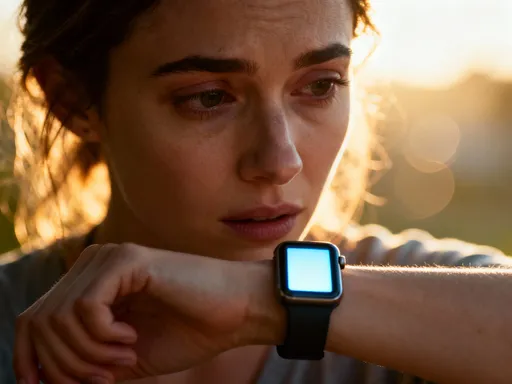
It started with a simple ping on my wrist — a notification that didn’t make sense. My smartwatch flagged an unusually high resting heart rate for three days straight. I felt fine, but that gentle nudge made me pause. What if it wasn’t just a glitch? That small alert led to a doctor’s visit, an early diagnosis, and a shift in how our entire family thinks about health. This isn’t about fancy tech — it’s about peace of mind, prevention, and the quiet ways technology supports the people we love. That one alert didn’t just change my routine — it changed our lives.
The Moment It All Changed: A Notification That Felt Like a Wake-Up Call
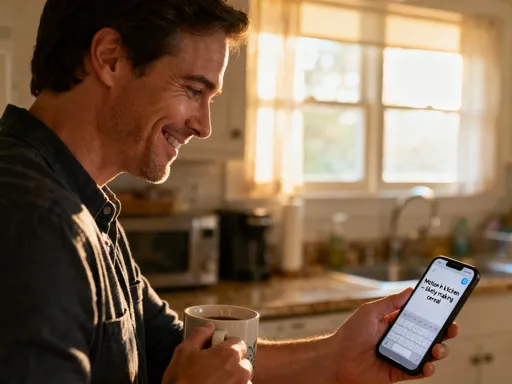
I remember exactly where I was when the alert came through — standing in the kitchen, stirring oatmeal for the kids, coffee steaming beside me. The morning sun was soft, the house still humming with that early quiet only parents know. I glanced at my wrist, and there it was: a red flag next to my resting heart rate. “Elevated for 3+ days,” it said. I paused. I hadn’t been sick. I hadn’t felt anxious. In fact, I’d been sleeping well, eating better than usual, and even squeezing in a 10-minute walk most days. So why was my body whispering something my mind hadn’t caught?
I admit, I almost ignored it. I thought, It’s probably just a sensor error. These things happen. But something stopped me. Maybe it was the consistency — three days in a row wasn’t random. Maybe it was the memory of my mom’s surprise heart issue a few years back, the one that came out of nowhere. Whatever it was, I called my doctor that afternoon. I didn’t expect much — just a quick check, maybe a blood test. But the test results told a different story. My thyroid was overactive. Nothing life-threatening, but if left unchecked, it could lead to bigger problems: fatigue, weight loss, even heart strain over time. The kicker? I had no idea. Not one symptom stood out. Yet my watch had seen the ripple before the wave.
The relief I felt after starting treatment was real — but so was the awe. That little device on my wrist hadn’t just tracked steps or sleep. It had acted like a quiet guardian, watching when I wasn’t. And that moment changed everything. I stopped seeing my smartwatch as a gadget and started seeing it as part of our family’s safety net. It wasn’t replacing doctors — far from it. But it was giving us a chance to catch things earlier, to ask better questions, and to feel more in control.
From Reactive to Proactive: How Health Tracking Shifts Family Mindsets
Before that alert, our family’s health routine was pretty typical: we went to the doctor when someone was sick, got vaccines on schedule, and tried to eat veggies most nights. Nothing wrong with that — but it was reactive. We waited for symptoms. We responded to crises. Now? We’ve shifted. We pay attention to patterns. We talk about how we’re feeling — not just physically, but emotionally — because the data helps us start the conversation.
Take my husband, for example. He’s always been the “I’m fine” type. Headaches? “Just tired.” Low energy? “Long week.” But his watch started showing consistently low heart rate variability — a sign of stress or poor recovery. At first, he brushed it off. But after a few weeks of the same trend, I gently asked, “You’ve been stressed — everything okay?” That small question opened a door. Turns out, work had been overwhelming. He wasn’t sleeping well. He hadn’t realized how much it was affecting him — but the data did. Now, he takes short walks during lunch, prioritizes sleep, and even does a 5-minute breathing exercise before bed. Not because I nagged him — because the numbers gave him permission to slow down.
And it’s not just adults. Our 12-year-old daughter wears a simple tracker that monitors sleep and activity. When she started having mood swings before school, we looked at her sleep data — and found she’d been averaging only 6.5 hours a night. No wonder she was irritable. We adjusted her bedtime, limited screen time before bed, and within a week, her mood improved. The best part? She felt involved, not scolded. She could see the connection between her choices and how she felt. That’s the power of this shift: it turns health from a lecture into a shared discovery.
Making Sense of the Data: Understanding What Matters (Without Getting Obsessed)
Let’s be honest — at first, I went a little overboard. I was checking my stats every hour. Was my heart rate normal? Was I hydrated? Did I hit 10,000 steps? I started feeling anxious about the numbers instead of empowered by them. Sound familiar? You’re not alone. The truth is, health data can be overwhelming if you don’t know how to use it. The key isn’t perfection — it’s perspective.
Here’s what I learned: focus on trends, not single data points. One high heart rate? Probably just coffee or a stressful email. But three days of elevated readings? That’s a pattern worth noticing. Same with sleep. If your tracker shows you slept poorly last night, don’t panic. But if it’s been happening for a week, it’s time to ask why. Is it stress? Too much screen time? A new medication? The data isn’t the answer — it’s the starting point for a conversation with yourself or your doctor.
I also learned to set personal baselines. What’s “normal” for me might not be normal for you. So instead of comparing myself to generic goals, I spent a few weeks just observing — no judgments, just data collection. Now I know my average resting heart rate is between 58 and 62. If it jumps to 70 for more than two days, I take note. Same with sleep — I aim for 7 to 8 hours, but I’ve accepted that 6.5 isn’t a failure. It’s just information. And sometimes, the most important thing the data tells me is when to stop tracking and just rest.
Tech That Fits Into Real Life: No Perfection Required
I’ll confess — I don’t wear my watch every single day. Sometimes I forget to charge it. Sometimes I take it off and leave it on the bathroom counter. My son loses his tracker at least once a month. And you know what? That’s okay. Health tech isn’t about being perfect. It’s about being consistent enough to see patterns. And the beauty of today’s devices is that they’re designed for real life — not lab conditions.
Most of the tracking happens automatically. My watch logs my sleep as long as I wear it at night. It counts steps whether I remember to start a workout or not. And when I do forget, I can use voice notes to log how I’m feeling. “Hey Siri, I’m stressed today,” I’ll say while driving. Later, I can look back and see if that matches up with my heart rate or sleep quality. Simple. No extra effort.
And the tools are more accessible than ever. You don’t need the most expensive model to get value. Even basic trackers can monitor sleep, activity, and heart rate. For kids, there are fun, durable bands with colorful faces and reward systems. For older parents, larger displays and easy-to-read apps make it simple to stay involved. The goal isn’t to turn everyone into data scientists — it’s to make health awareness effortless. It’s about creating small habits that add up, not demanding big changes overnight.
Saving More Than Health: The Hidden Financial Benefits
When I first bought my smartwatch, I saw it as a personal investment — in fitness, in sleep, in peace of mind. What I didn’t expect was how much money it would help us save. Think about it: catching a health issue early often means less treatment, fewer medications, and shorter recovery times. In my case, treating my thyroid early likely prevented more serious complications down the road — complications that could have meant specialist visits, more tests, even hospitalization.
But the savings go beyond one diagnosis. Since we’ve become more health-aware, we’ve made better daily choices. We cook more at home. We choose water over sugary drinks. We prioritize sleep, which means fewer colds and less reliance on over-the-counter meds. My husband took up walking during lunch breaks — he’s lost a few pounds, and his blood pressure has improved. His doctor even reduced his medication. That’s real money saved — on prescriptions, on co-pays, on missed workdays.
And let’s talk about emergency visits. We avoided one last winter when our daughter’s tracker showed a sudden spike in heart rate and fever. Instead of waiting to see if she got worse, we called the pediatrician early. She had a mild infection — nothing serious — but getting prompt care meant no ER trip, no IV, no overnight stay. That single visit would have cost hundreds, maybe thousands, depending on our deductible. Instead, we caught it early, treated it at home, and moved on. When you add it all up, our family’s health tech probably paid for itself in less than a year. It’s not just a device — it’s financial peace of mind.
Building a Health-Aware Household: Involving the Whole Family
One of the most unexpected benefits has been how much closer we’ve become as a family. Health isn’t a private topic anymore — it’s a shared project. We talk about it openly. We cheer each other on. And we’ve found fun ways to make it part of our routine.
Every weekend, we have a “step challenge.” Whoever hits their goal gets to pick the movie for family night. It’s silly, but it works. The kids race around the house before bedtime, laughing and chasing their step count. My mom, who lives nearby, joined too — she loves the gentle competition. We also use hydration reminders as a family. I set a shared alert for 3 p.m. every day: “Time to drink water!” We all pause, grab our bottles, and toast like it’s a celebration. Small moments — but they add up.
We’re also mindful of boundaries. My teens have their own devices, but we respect their privacy. We don’t demand to see their data. Instead, we ask, “How are you feeling today?” and let the conversation flow from there. For younger kids, we use age-appropriate apps with fun avatars and rewards — like unlocking a new sticker for hitting their sleep goal. The goal isn’t surveillance — it’s support. It’s about creating a home where everyone feels seen, heard, and cared for.
Looking Back, Moving Forward: What We’ve Gained Beyond Numbers
If I could go back to that morning in the kitchen, I’d tell myself to trust the ping. That little alert wasn’t an interruption — it was an invitation. An invitation to pay attention. To care. To act before things got worse. And in doing so, we’ve gained so much more than data. We’ve gained confidence. We’ve gained time. We’ve gained deeper conversations and stronger connections.
Our family still isn’t perfect. We still have busy days, skipped workouts, and late-night snacks. But now, we’re more aware. We’re more compassionate — with ourselves and with each other. We’ve learned that health isn’t about hitting every goal or chasing perfection. It’s about showing up, day after day, with a little more attention and a lot more love.
And that’s the real magic of this technology — it doesn’t make us more machine-like. It makes us more human. It gives us the space to notice, to care, to respond. It turns small moments into big changes. So if you’ve ever wondered whether a smartwatch or tracker could make a difference — I say, give it a try. Not because you have to, but because you deserve to feel seen. Deserve to feel safe. Deserve to know that even on the busiest days, someone — or something — is watching out for you. And sometimes, that’s enough to change everything.