I’ll remember where I put it — This backup habit saved me hours every week
You know that sinking feeling when your phone dies and you haven’t saved your photos, messages, or important files? I used to tell myself, “I’ll back it up later,” until I lost precious memories and wasted hours trying to rebuild what was gone. Then I discovered how simple mobile backup can truly be. It’s not about tech skills — it’s about peace of mind. Now, I never worry about losing data, and I’ve reclaimed time I didn’t even know I was wasting. Let me show you how this small change made a big difference.
The Moment Everything Vanished (And Why It Matters)
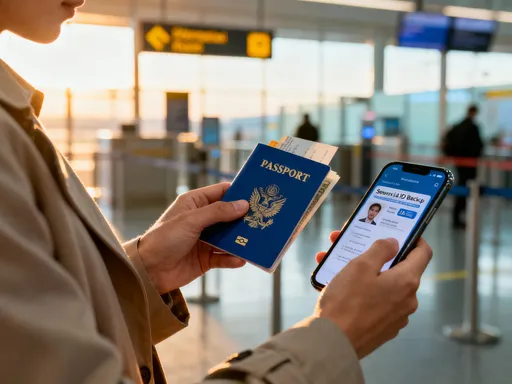
It happened on a Tuesday morning. My phone — the one I’d used for nearly two years — suddenly wouldn’t turn on. I pressed the power button, waited, tried charging it, even whispered a desperate “please” like that would help. Nothing. That phone held everything: photos from my daughter’s first dance recital, voice notes from my mom who lives overseas, scanned copies of my passport and insurance documents, grocery lists, recipe links, and years of text messages with family. All of it — gone in an instant.
I didn’t just lose data. I lost time. So much time. I spent three days trying to piece things back together — calling banks to resend documents, asking friends to resend photos they’d texted me, retyping notes I’d scribbled during school pickup. I missed a work deadline because I couldn’t find the meeting notes I’d saved only on my phone. I felt helpless, frustrated, and honestly, a little embarrassed. How could I, someone who prides herself on being organized, let this happen?
But here’s the truth: I’m not alone. A recent survey found that nearly 60% of adults have lost important phone data, and more than half didn’t have a backup. We tell ourselves, “I’ll do it later,” or “I’ll remember where I saved that,” but life gets busy. Kids need snacks, laundry piles up, work emails pile higher. We assume our devices will just keep working — until they don’t. And when they fail, we’re left scrambling, stressed, and drained. That’s the real cost of not backing up: it’s not just the lost files. It’s the hours, the energy, the peace of mind we never get back.
What Backup Really Means (And Why It’s Not as Complicated as You Think)
Let’s clear something up: backing up your phone isn’t a tech expert thing. It’s not something only young people or IT workers do. It’s like locking your front door before you go to bed — a small action that protects everything inside. Backup simply means making a copy of your phone’s important stuff and storing it somewhere safe, like the cloud. That way, if your phone breaks, gets lost, or just decides to quit on you, your data is still there, waiting for you.
Think of it as a safety net for your digital life. Your contacts, photos, calendar events, notes, app settings — even your Wi-Fi passwords — can all be saved automatically. You don’t have to do anything once it’s set up. No cables, no complicated steps, no remembering to “save” things manually. It just happens, quietly, in the background, while you’re busy living your life.
And here’s a big myth to bust: backing up doesn’t slow down your phone or take up space on it. The copy lives online, not on your device. You don’t need to understand how the cloud works — just like you don’t need to know how electricity gets to your outlets to turn on a lamp. You just know it works. That’s how backup should feel: simple, invisible, and always there when you need it.
I used to think, “I’m not important enough to need a backup.” But it’s not about being important. It’s about valuing your time, your memories, and your sanity. Losing a photo of your child’s first steps isn’t just a data loss — it’s a piece of your family history gone. Backup isn’t about fixing problems after they happen. It’s about making sure they never happen in the first place.
How One Tiny Habit Saves You Hours Every Week
Here’s what surprised me most: once I started backing up regularly, I didn’t just avoid disaster — I got my time back. Real, measurable time. Think about how much you do on your phone. You plan meals, track appointments, manage your budget, chat with family, save articles to read later. Every time you lose that data, you have to do it all again. That’s hours of rework — time you could spend with your kids, reading, resting, or just breathing.
Before I had backup, switching to a new phone was a full-day project. I’d have to redownload every app, log in to each one, re-enter payment info, reset preferences. I’d forget which apps I even had. Now? I get a new phone, sign in, and within an hour, everything is back — my home screen layout, my notes, my photo albums. It’s like magic, but it’s just smart planning.
And it’s not just about phone changes. Last month, my son spilled juice on his tablet. Panic mode. But because his device was backed up, we restored it in less than 30 minutes. No lost homework, no missing games, no tears. That’s the kind of relief you can’t put a price on. Or when I travel, I don’t stress about my phone dying or getting stolen. I know my data is safe, and I can focus on enjoying the trip.
The time savings add up. Researchers estimate that people spend an average of 4.5 hours recovering lost data each year. That’s almost a full workday! And that doesn’t count the mental load — the constant worry, the “did I save that?” thoughts that pop up during quiet moments. With backup, that noise fades. You stop second-guessing yourself. You stop holding your breath every time your phone glitches. That’s not just time saved. That’s freedom.
Picking the Right Tool Without the Overwhelm
I know what you’re thinking: “But which app should I use? Is it safe? Will it cost a lot?” I had the same questions. The good news? You probably already have what you need. Both iPhones and Android phones come with built-in backup tools — iCloud for Apple users, Google One for Android. These aren’t fancy extras. They’re part of your phone, designed to work quietly and safely.
Think of them like your phone’s built-in security system. You don’t need to install anything. You don’t need to pay for expensive software. Both options offer free storage — enough for most people’s contacts, settings, and app data. If you take a lot of photos or videos, you might want to upgrade to a low-cost plan, but even the free version is better than nothing.
The best part? These tools are designed to be simple. You turn them on once, and they do the rest. They sync when you’re on Wi-Fi, so you’re not using your data plan. They encrypt your information, which means only you can access it. And they’re trusted by millions of people — not because they’re perfect, but because they work.
You don’t need to compare features or read tech reviews. You don’t need to download third-party apps unless you want to. Start with what’s already on your phone. It’s like using the flashlight on your device — you don’t question how it works. You just turn it on when you need it. That’s how backup should feel: easy, familiar, and always within reach.
Setting It Up in Less Than 10 Minutes (Step-by-Step)
Let’s do this together. Right now. I promise, it takes less time than making a cup of tea.
If you have an iPhone, open the Settings app. Tap your name at the top, then tap iCloud. Scroll down to iCloud Backup and turn it on. That’s it. Your phone will now back up automatically every night when it’s locked, plugged in, and connected to Wi-Fi. To check it’s working, go back to the iCloud menu and look at your storage — you’ll see a progress bar and the time of your last backup.
If you’re on Android, open Settings, then go to Google > Backup. Make sure “Back up to Google Drive” is turned on. You can also choose what gets backed up — like apps, contacts, or call history. Once it’s on, your phone will back up whenever it’s charging and on Wi-Fi. To double-check, go to your Google Account and look at your storage — you’ll see how much space you’re using and when the last backup happened.
That’s all it takes. Ten minutes, maybe less. No tech degree required. And if you make a mistake? No problem. You can always go back and adjust the settings. The important thing is to start. Perfection isn’t the goal. Consistency is.
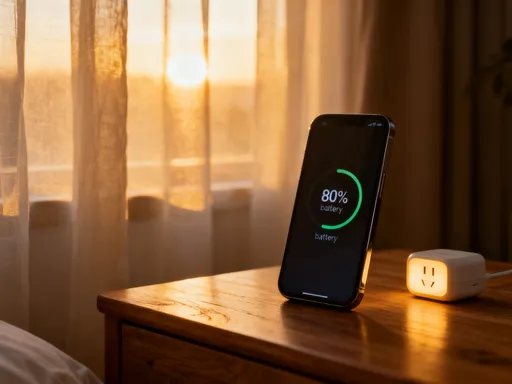
One tip: do this when you’re on Wi-Fi, and make sure your phone has some battery. If it’s your first backup, it might take a little longer, especially if you have a lot of photos. But after that, it’s just small updates in the background. You won’t even notice it happening.
The Ripple Effect: How Backup Changed More Than Just My Phone
What I didn’t expect was how much more peaceful I’d feel. I used to get anxious when my phone battery dropped below 20%. Now, I don’t panic. I know my data is safe. That small shift in mindset has made a big difference in my daily life. I’m less reactive, more present. I don’t snap at my kids because I’m stressed about a missing document. I don’t lie awake wondering if I saved that recipe for Sunday dinner.
And the memories — oh, the memories. Last week, I showed my daughter photos from her third birthday. We laughed at her cake-covered face, the tiny party hat that kept falling off. Those moments are priceless. And because they’re backed up, I know they’ll be there for her when she’s older, when she has kids of her own. That’s not just data. That’s legacy.
I’ve also become the “tech helper” in my family. My sister calls me when her phone acts up. My mom asks me how to save her photos. I don’t have all the answers, but I know the most important one: back it up. Teaching her how to turn on Google Backup gave her confidence. She texts me now, “I did it myself!” That pride? That’s everything.
And when I recommend apps or try new tools, I’m not afraid. I know that if something goes wrong, I can reset and start over. That freedom to explore, to learn, to make mistakes — it’s changed how I see technology. It’s not a source of stress. It’s a tool that serves me, not the other way around.
Making It Stick: Turning Backup Into a Seamless Part of Life
Like any good habit, backup works best when it becomes automatic. Here’s how I keep it going: I check my backup status once a month, usually when I pay bills. It takes 30 seconds. I also talk about it with my family. We make it part of our routine — like charging phones overnight. My kids know that before bed, we plug in and back up. It’s become normal, just like brushing teeth.
If you forget sometimes, that’s okay. The goal isn’t perfection. It’s progress. You can set a reminder on your phone — ironic, I know — to check your backup once a quarter. Or pair it with another habit, like cleaning out your inbox or organizing your photo album. The more you connect it to something you already do, the easier it sticks.
You don’t have to be a tech genius. You don’t have to understand every detail. You just have to care about your time, your memories, and your peace of mind. And if you do, this one small step will pay off for years to come.
So go ahead. Take those ten minutes. Turn on backup. Do it for your future self — the one who won’t have to spend hours rebuilding what was lost. Do it for your family, whose memories deserve to be safe. Do it for the version of you who wants to live with less stress and more joy. Because you don’t have to remember where you put it. You just have to know it’s there, waiting for you, exactly when you need it.