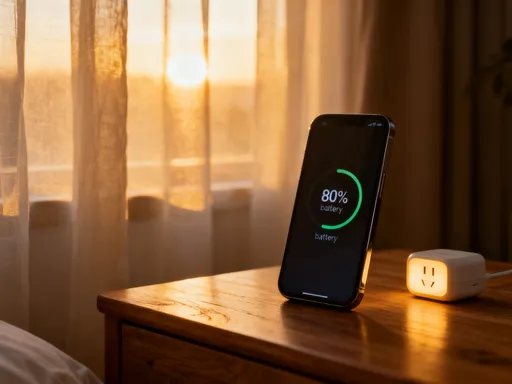
I kept repeating 'I'll figure it out later'—until I found this forum that actually helped me solve it
We’ve all been there—staring at a problem, feeling stuck, and telling ourselves we’ll deal with it tomorrow. But what if help was just a click away? Not from a manual or a robot, but from real people who’ve faced the exact same thing. That’s where experience exchange forums came in for me—not flashy, not technical, just real, practical help when I needed it most. I wasn’t looking for a miracle. I just wanted my coffee maker to stop beeping, my laptop to load faster, and my kids’ tablet to stop freezing during cartoons. And I didn’t want to pay someone to fix it. I wanted to understand it. That’s when I realized something: the best tech support isn’t always behind a corporate desk. Sometimes, it’s in a quiet corner of the internet where someone just like me once typed, ‘Has anyone else had this problem?’
The Moment Everything Felt Overwhelming
It started with a smart speaker. My daughter got me one for Mother’s Day—sweet, thoughtful, and completely baffling. I unboxed it, plugged it in, downloaded the app, and stared at the blinking light like it was speaking a foreign language. I tapped buttons, waved my phone near it, even said ‘Hello’ in a cheerful voice like it might respond with a smile. Nothing. The setup guide was full of terms like ‘Wi-Fi handshake’ and ‘pairing mode,’ which sounded more like a dance routine than a tech process. I felt embarrassed, honestly. I mean, how hard could it be? Everyone else seemed to have theirs working fine. I told myself, ‘I’ll figure it out later.’ But ‘later’ turned into days, then weeks. The speaker sat on my kitchen counter like a silent judge, reminding me I’d failed at something that was supposed to make life easier.
And it wasn’t just the speaker. My printer kept showing an error code I couldn’t clear. My phone storage was always full, no matter how many photos I deleted. My online banking app kept logging me out, and I worried I was doing something wrong—something risky. I didn’t want to call tech support. I didn’t want to wait on hold, explain my issue three times, or get transferred to someone who didn’t understand my setup. I didn’t want to feel like a burden. I just wanted a simple answer from someone who’d been there. That’s when a friend mentioned forums. ‘You know,’ she said, ‘places where regular people help each other with everyday tech stuff?’ I’d heard the word before, but I’d always thought forums were for gamers or coders or people arguing about politics. I had no idea they existed for things like resetting a router or organizing iCloud photos.
But that night, frustrated and tired of feeling helpless, I typed into Google: ‘How to set up smart speaker won’t connect to Wi-Fi.’ And there it was—a forum thread with over 200 replies. The first post was from someone in 2018, saying, ‘I’ve tried everything. Nothing works.’ And then, scroll after scroll, real people sharing what they’d tried, what failed, and what finally worked. One person mentioned a hidden reset button under the base. Another said their issue was with the 5GHz network and switching to 2.4GHz fixed it. Someone else posted a photo showing exactly where to press. I followed the steps, held the reset button for 15 seconds, switched my Wi-Fi band, and—silence for a moment—then a soft chime. It was connected. I laughed out loud. It wasn’t magic. It wasn’t genius. It was just someone else’s experience, shared freely, that made all the difference.
What These Forums Actually Are (And Why They’re Different)
So what exactly are these forums? They’re not customer service. They’re not official help centers. They’re not AI chatbots that give the same response to everyone. They’re online communities—sometimes small, sometimes huge—where people come together around a common challenge. Maybe it’s using a specific brand of washing machine, managing a chronic health condition, or homeschooling during a pandemic. In the tech world, they’re places where users of a particular device, app, or software gather to troubleshoot, share tips, and celebrate small wins. And the best ones aren’t run by companies. They’re run by users, for users.
What makes them different from social media? Focus. On Facebook or Instagram, a tech question can get lost in birthday posts, vacation photos, and political rants. On a forum, every post is on topic. You’re not competing for attention. You’re part of a conversation that’s been going on for years. Someone might have asked your exact question in 2016, and the answer is still there, waiting. Forums are also patient. You don’t need likes or viral reach. You just need someone to read your post and maybe reply. And because these communities often have long-time members and moderators, the tone tends to be more respectful, more helpful, less rushed.
Think of it like this: if social media is a busy town square, a forum is a quiet library where people are actually reading and helping each other. I’ve seen threads where someone asked, ‘Why does my tablet freeze when my kids watch videos?’ and got a reply with a step-by-step guide to clearing cache, adjusting screen time settings, and updating the OS—complete with screenshots. Another user shared how they fixed a slow laptop by cleaning the fan vents with a can of compressed air—something no manual ever told them. One woman explained how she set up parental controls without her kids knowing, using a combination of settings and routines. These weren’t tech geniuses. They were parents, caregivers, retirees, people just like me, sharing what worked.
And that’s the power of it. Forums don’t sell you a solution. They offer experience. They say, ‘I tried this. It worked. Maybe it’ll work for you.’ No pressure. No upsell. Just real help from real people.
Finding the Right Forum Feels Like Finding a Trusted Friend
Now, not all forums are helpful. Some are outdated, filled with broken links and ghost towns. Others are overrun with spam or rude comments. So how do you find the good ones? It’s a bit like dating—you learn to spot the red flags and the green ones. First, I look for activity. Is the forum still being updated? Are people replying to new posts? A thread from 2010 with no replies isn’t going to help me today. But a thread from last month with 30 replies? That’s promising.
I also pay attention to the tone. Are people kind? Do they ask clarifying questions instead of making assumptions? One of my favorite forums has a rule: ‘No “RTFM”’—which means ‘Read the manual.’ They don’t allow members to tell others to figure it out on their own. Instead, they encourage patience. I’ve seen replies like, ‘That error used to drive me crazy too. Let’s walk through it together.’ That kind of empathy goes a long way.
Another sign of a good forum is detailed answers. Not just ‘try rebooting,’ but ‘unplug the device, wait 30 seconds, plug it back in, then go to Settings > Network > Reset.’ And if someone shares a fix, do they explain why it works? For example, one user explained that resetting a router clears its memory, which can fix connection issues caused by temporary glitches. That little bit of understanding made me feel more confident, not just about that fix, but about tackling similar problems in the future.
I’ve also learned to search before I post. Most forums have a search bar, and chances are, someone else has already asked your question. Typing in a specific error code or symptom often leads to a thread with multiple solutions. It saves time and keeps the forum from getting cluttered. And if I do post, I try to be clear: I describe the device, the issue, what I’ve already tried, and any error messages. The more detail I give, the better the help I get. It’s not about being perfect. It’s about being honest about where I’m stuck.
How One Post Changed My Whole Approach
My turning point came when I was trying to transfer old family videos from a camcorder to my computer. I’d bought a USB cable, installed software, but nothing worked. The files wouldn’t import. I was about to give up when I found a forum thread titled, ‘Converting old MiniDV tapes—don’t make this mistake.’ The post was from a man in Oregon who’d spent months digitizing his family’s tapes. He shared a detailed guide: the exact cable to buy, the software settings to use, and a warning about not fast-forwarding through tapes because it could damage them. He even included a photo of his setup.
But the most helpful part? He mentioned that the computer’s power settings could interrupt the transfer. ‘Make sure your laptop doesn’t go to sleep during the process,’ he wrote. I’d never thought of that. I’d been letting my laptop sleep after 10 minutes, which meant every time I started a transfer, it would cut off halfway. I changed the setting, restarted the process, and three hours later, I had my first video file—my daughter’s fifth birthday party, clear and bright on my screen. I cried. It wasn’t just about the tech. It was about preserving a memory. And it happened because one stranger took the time to share what he’d learned.
That post changed how I see technology. It’s not just about devices and software. It’s about what they carry—our photos, our voices, our stories. And when we help each other use them, we’re not just fixing gadgets. We’re protecting what matters.
Learning to Give Back: From Helped to Helper
After that, I started replying to posts. At first, I was nervous. Who was I to give advice? I wasn’t an expert. But then I remembered: I didn’t need to be. I just needed to share what I knew. So when someone asked, ‘Why does my phone keep deleting photos?’ I replied with what had worked for me—checking the cloud storage settings, making sure ‘Optimize Phone Storage’ wasn’t turned on. Another time, someone was struggling with a smart thermostat. I shared how I’d set mine to adjust automatically based on our morning routine. Simple things, but things that had taken me hours to figure out.
What surprised me was how good it felt. Helping others gave me confidence. It made me pay closer attention to what I was doing, because I knew I might explain it later. I started taking notes, even screenshots. I became more patient with myself, knowing that every mistake was a chance to learn—and maybe help someone else avoid it. One woman messaged me privately to say my tip saved her from losing her recipe collection. That meant more than any ‘like’ or ‘share’ ever could.
And that’s the quiet joy of forums: they turn us from passive users into active participants. We stop waiting for someone else to fix things and start believing we can, too. It’s not about knowing everything. It’s about being willing to try, to share, to say, ‘Here’s what worked for me.’
Why These Spaces Matter Beyond Just Fixing Things
Forums do more than solve problems. They build connection. They remind us we’re not alone. I’ve read posts from single parents trying to set up learning devices for their kids, from older adults learning to use video calls to stay in touch with grandchildren, from caregivers managing medical apps for loved ones. The questions are about tech, but the feelings underneath—worry, love, frustration, hope—are universal.
One thread I’ll never forget was from a woman whose husband had passed away. She was trying to access his phone to find a photo of their last vacation together. She didn’t know the password. The forum didn’t have a magic fix, but dozens of people replied with kindness—offering alternative ways to recover photos, suggesting she contact the provider, sharing their own stories of loss. No one made her feel silly for asking. No one rushed her. They just sat with her in that moment, digitally, and said, ‘We see you. We’re here.’
That’s the emotional heart of these spaces. They’re not cold or technical. They’re warm, human, and deeply personal. They meet us where we are—not as users, but as people. And in a world that often feels too fast, too loud, too disconnected, that kind of quiet support can be a lifeline.
Making the Most of Forums Without Getting Lost
Of course, forums aren’t perfect. It’s easy to get overwhelmed by too many replies, conflicting advice, or outdated solutions. So I’ve learned to use them wisely. First, I search thoroughly before posting. Most problems have been asked before. Second, I look for replies with clear steps and explanations, not just opinions. Third, I check the date—what worked in 2018 might not work now.
I also try to be respectful. If someone takes time to help me, I reply with a thank you, even if the fix didn’t work. And if I see a question I can answer, I try to respond clearly and kindly. I’ve seen how a harsh comment can shut someone down, especially if they’re already feeling unsure.
And I’ve learned to set boundaries. I don’t spend hours scrolling. I go in with a purpose, get what I need, and log off. Forums are tools, not time sinks. They’re meant to give me back time, not take it. When I use them this way, they become part of a smarter, calmer approach to tech—one that saves me money, reduces stress, and helps me feel more in control.
A Simple Click That Connects Us All
Looking back, I realize how much I’ve gained—not just in tech skills, but in confidence, connection, and peace of mind. That smart speaker? It’s now part of my morning routine, playing my favorite playlist while I make coffee. The printer? Fixed with a simple reset trick I found in a forum. My phone storage? Organized, thanks to a tip about offloading apps. But more than that, I’ve learned I don’t have to figure everything out alone. Help is out there, shared freely by people who remember what it felt like to be stuck.
These forums aren’t about the latest gadgets or fancy features. They’re about real life. They’re about the mom who wants to video call her daughter overseas, the retiree learning to use a tablet, the caregiver setting up medication reminders. They’re about all of us, trying to make sense of a digital world without losing the human touch.
So if you’re sitting there, staring at a device, muttering, ‘I’ll figure it out later,’ I want you to know—someone else already has. And they’re waiting to help. You don’t need to be tech-savvy. You just need to be willing to ask. Because sometimes, the most powerful technology isn’t in the device. It’s in the connection. And that’s something no manual can teach you.