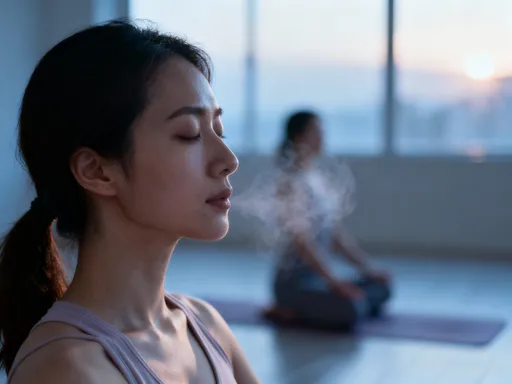
Why Shoulder Tension Wreaks Havoc on Your Mind—And How to Break Free Fast
You carry stress in your shoulders—but it’s not just your muscles paying the price. Tightness there can quietly disrupt your mood, focus, and sense of calm. I’ve been there: stiff traps, a racing mind, zero balance. What if you could ease both body and mind in minutes a day? This isn’t about quick fixes that fade—it’s about real, doable shifts that honor both physical comfort and mental clarity. Let’s explore how shoulder care became my unexpected gateway to psychological balance. While often overlooked, the shoulders serve as a barometer for our emotional and physical well-being. When they tighten, they don’t just signal physical strain—they echo deeper imbalances within the nervous system, influencing how we think, feel, and respond to daily challenges. The good news is that by addressing shoulder tension with intention and consistency, we can unlock a surprising level of mental resilience and emotional ease.
The Hidden Link Between Shoulders and State of Mind
Shoulder tension is far more than a physical nuisance—it is deeply intertwined with emotional and mental states. When the body experiences stress, whether from work pressure, family responsibilities, or unresolved emotions, one of the first places it registers is the upper back and shoulders. This response is rooted in biology: the trapezius muscles, which run from the base of the skull down to the mid-back and out to the shoulders, are richly innervated and highly responsive to the autonomic nervous system. During moments of perceived threat or prolonged stress, these muscles contract as part of the body’s natural fight-or-flight reaction. While this was once essential for survival, in modern life, this response often becomes chronic, leading to persistent tightness.
The connection between shoulder tension and mental state operates through a continuous feedback loop. When muscles remain contracted, they send signals back to the brain that the body is still under stress. This reinforces feelings of anxiety, irritability, and mental fatigue. Conversely, emotional strain—such as worry, frustration, or sadness—can manifest physically as shrugged shoulders, shallow breathing, and a hunched posture. Over time, this creates a self-sustaining cycle: mental stress causes muscle tension, and muscle tension amplifies mental stress. Many women in their 30s to 50s, balancing careers, parenting, and household duties, find themselves trapped in this loop without realizing how much it affects their daily functioning.
Common scenarios illustrate this connection clearly. A mother juggling school drop-offs, a full-time job, and evening responsibilities may not consciously feel overwhelmed, yet her shoulders remain perpetually tense. Similarly, someone working from home may not register emotional strain but still develop chronic shoulder stiffness due to sustained focus and poor ergonomics. These patterns are not merely about physical discomfort—they reflect an overtaxed nervous system. Recognizing this link is the first step toward breaking the cycle. When we treat shoulder tension not just as a muscular issue but as a signal of emotional load, we open the door to more holistic self-care. Addressing it becomes less about isolated stretching and more about restoring balance across body and mind.
Why Modern Life Is Wrecking Our Shoulders (And Minds)
Modern lifestyles are uniquely designed to promote shoulder tension and mental fatigue. The average adult spends hours each day in a seated position, often leaning forward toward screens—whether at a desk, on a tablet, or scrolling through a smartphone. This posture, commonly referred to as “tech neck” or “desk slump,” places excessive strain on the upper trapezius, levator scapulae, and neck muscles. Over time, these muscles adapt to a shortened, contracted state, losing their natural elasticity. The result is not only physical discomfort but also a postural pattern that mimics stress: raised shoulders, forward head, and collapsed chest. This posture doesn’t just look tense—it actively contributes to how we feel emotionally.
Beyond physical positioning, modern life also demands constant cognitive engagement with little opportunity for recovery. Multitasking, rapid decision-making, and the pressure to be always available create a state of low-grade, persistent stress. This chronic activation of the sympathetic nervous system keeps the body in a state of readiness, even when no real danger is present. The shoulders, as key players in the stress response, remain locked in tension, serving as silent indicators of an overworked system. For women managing households, careers, and caregiving, this burden is often amplified. The emotional labor of maintaining harmony at home, combined with professional expectations, can lead to suppressed emotions—another contributor to physical holding patterns in the upper body.
Moreover, sedentary behavior reduces circulation and muscle activation, further compounding the problem. Without regular movement, muscles become stiff, joints lose mobility, and the body’s ability to reset diminishes. This physical stagnation mirrors mental fatigue—both are characterized by a lack of flow, clarity, and energy. The mind feels sluggish, the body feels heavy, and the shoulders bear the brunt of it all. The irony is that many of the activities meant to bring relief—like scrolling through social media or watching television—often involve the same forward-leaning posture that caused the problem in the first place. Without intentional breaks and corrective habits, the cycle continues unchecked. Recognizing these lifestyle factors is not about assigning blame but about identifying opportunities for change. Small shifts in daily routines can yield significant improvements in both shoulder health and mental well-being.
Quick Science: How Shoulder Tension Impacts Your Nervous System
The relationship between shoulder tension and the nervous system is not merely anecdotal—it is supported by scientific understanding of how the body processes stress. Muscle tension acts as a form of somatic communication, sending continuous signals to the brain about the body’s state. When the upper trapezius and surrounding muscles remain tight, they stimulate mechanoreceptors and nociceptors that feed into the central nervous system. These signals are interpreted by the brain as indicators of ongoing threat or strain, even in the absence of actual danger. As a result, the brain maintains a heightened state of alertness, sustaining elevated levels of stress hormones like cortisol and adrenaline. This physiological loop keeps the body primed for action, making it difficult to transition into a state of rest and recovery.
Conversely, when shoulder tension is released, the body receives new signals—ones that suggest safety and relaxation. This shift can help activate the parasympathetic nervous system, often referred to as the “rest-and-digest” mode. This system counterbalances the stress response by slowing the heart rate, deepening the breath, and promoting a sense of calm. Studies have shown that even brief interventions targeting muscle relaxation, such as gentle stretching or mindful movement, can lead to measurable changes in autonomic function. For example, research published in the journal *Applied Psychophysiology and Biofeedback* has demonstrated that participants who engaged in regular shoulder and neck relaxation exercises reported reduced anxiety levels and improved heart rate variability—a key marker of nervous system resilience.
Postural awareness also plays a significant role in emotional regulation. A study from the *Journal of Behavior Therapy and Experimental Psychiatry* found that individuals who sat upright with relaxed shoulders experienced more positive moods and greater self-confidence compared to those who slumped. This suggests that the way we hold our bodies directly influences our mental state. When the shoulders are lowered and the chest is open, breathing becomes deeper and more efficient, allowing for better oxygenation of the brain and a natural calming effect. These physiological changes support clearer thinking, improved focus, and greater emotional stability. By understanding this science, we can see that shoulder care is not just about comfort—it is a direct pathway to influencing how we feel from the inside out. Simple, intentional actions can shift the nervous system from a state of reactivity to one of balance.
The 3-Minute Reset: Immediate Techniques for Physical and Mental Relief
One of the most empowering aspects of managing shoulder tension is that relief doesn’t require hours of effort. In as little as three minutes, you can interrupt the stress cycle and create a noticeable shift in both body and mind. These quick resets are especially valuable for busy women who may not have time for lengthy routines but still need effective tools to maintain well-being throughout the day. The key is consistency—performing these techniques regularly, even briefly, can prevent tension from accumulating and support long-term nervous system regulation.
A simple yet powerful practice is the **shoulder roll sequence**. Begin by sitting or standing with feet grounded and spine tall. Inhale as you slowly lift both shoulders up toward your ears, feeling the trapezius muscles engage. Hold for a brief moment, then exhale as you roll them back and down in a smooth circular motion. Repeat this for 30 seconds, then reverse the direction. This movement helps release stored tension, improves joint mobility, and encourages blood flow to the area. Performing this hourly—especially after prolonged sitting—can prevent stiffness from setting in.
Another effective technique is the **neck release stretch**. Gently tilt your head to the right, bringing your ear toward your shoulder. Place your right hand lightly on the left side of your head to deepen the stretch, but avoid pulling—let gravity do the work. Hold for 20–30 seconds, then switch sides. This stretch targets the upper trapezius and levator scapulae, muscles that often become overactive with stress. Pairing this with slow, deep breathing enhances its calming effect, signaling safety to the nervous system.
A third method is the **breath-synced shoulder drop**. Sit comfortably and take a slow, deep inhale through the nose, allowing the chest to expand. As you exhale through the mouth, consciously release your shoulders downward, as if letting go of weight. Imagine tension melting away with each breath. Repeat for one to two minutes. This practice combines muscular relaxation with diaphragmatic breathing, a proven method for activating the parasympathetic nervous system. When practiced upon waking, before bed, or during transitions between tasks, it can serve as a mental and physical reset. These techniques are not cure-alls, but they are accessible, evidence-based tools that offer immediate relief and cumulative benefits over time.
Daily Micro-Habits That Build Lasting Shoulder and Mental Resilience
While quick resets are valuable, lasting change comes from integrating small, sustainable habits into daily life. These micro-habits require minimal time or effort but, when practiced consistently, create profound shifts in both physical comfort and mental clarity. The goal is not perfection but presence—developing a habit of checking in with the body throughout the day and making gentle corrections before tension becomes chronic.
One foundational habit is the **posture check-in**. Set a reminder to pause every hour—perhaps when the clock strikes the hour or after completing a task. Take a moment to notice your shoulder position. Are they creeping up toward your ears? Is your head jutting forward? Gently lower your shoulders, draw your shoulder blades slightly back and down, and lengthen through the spine. This simple act of awareness interrupts the autopilot mode of stress posture and reinforces a more balanced alignment. Over time, this builds neuromuscular memory, making relaxed posture more natural.
Another powerful habit is **breath awareness**. Many people hold their breath or breathe shallowly without realizing it, especially during focused work. Place a hand on your abdomen and observe your breathing pattern for a few moments. Is the breath high in the chest or deep in the belly? Aim for slow, rhythmic breaths that expand the diaphragm. Even two minutes of conscious breathing can calm the nervous system and reduce muscle tension. Pairing breath awareness with routine activities—such as waiting for the kettle to boil or standing in line—makes it easy to integrate without adding extra time to the day.
“Movement snacks” are another effective strategy. These are brief bursts of activity—30 to 60 seconds—scattered throughout the day. Examples include reaching arms overhead, gently circling the wrists and shoulders, or standing up to stretch toward the ceiling. These micro-movements prevent stiffness, improve circulation, and refresh the mind. They also reinforce the mind-body connection, reminding you that movement is not just for exercise but for daily well-being. By linking these habits to existing routines—like after sending an email or before checking the phone—they become automatic over time. The cumulative effect is greater resilience, both physically and mentally.
Mindful Movement: Bridging Body Awareness and Emotional Balance
While isolated stretches and resets are helpful, deeper healing often comes from practices that integrate movement with mindfulness. Mindful movement involves paying attention to the body’s sensations, breath, and alignment as you move, creating a bridge between physical health and emotional regulation. Unlike high-intensity workouts, these practices emphasize presence over performance, making them ideal for those seeking calm and clarity rather than exertion.
Gentle disciplines such as **yoga**, **tai chi**, and **awareness-based walking** have been shown to support both shoulder health and mental well-being. Yoga, for example, combines postures that stretch and strengthen the upper body with breathwork and focused attention. Poses like Cat-Cow, Thread the Needle, and Eagle Arms specifically target shoulder mobility while encouraging relaxation. Tai chi, with its slow, flowing movements, promotes balance, coordination, and nervous system regulation. Both practices enhance **interoception**—the ability to sense internal bodily states—which is strongly linked to emotional self-awareness and regulation.
Even simple walking can become a mindful practice. Instead of walking while distracted by thoughts or a device, try walking with attention: feel your feet making contact with the ground, notice the swing of your arms, and keep your shoulders relaxed. This form of moving meditation helps break the cycle of rumination and brings the mind into the present moment. The beauty of these practices is that they require no special equipment, gym membership, or large time commitment. Starting with just 10 minutes a day can yield noticeable benefits. Over time, they cultivate a deeper relationship with the body, fostering compassion, patience, and emotional stability. For women navigating the complexities of midlife, these practices offer a sanctuary of stillness and self-connection.
When to Seek Support: Knowing the Limits of Self-Care
While self-care practices are powerful, they are not a substitute for professional guidance when needed. There are times when shoulder tension is not just a result of stress or posture but a sign of underlying physical or emotional conditions that require expert attention. Recognizing these signs is an act of wisdom, not weakness. It reflects a commitment to holistic well-being and a willingness to seek help when self-management is no longer sufficient.
Physical warning signs include persistent pain that does not improve with rest or stretching, numbness or tingling in the arms or hands, limited range of motion, or pain that interferes with sleep or daily activities. These symptoms may indicate conditions such as cervical radiculopathy, rotator cuff injuries, or thoracic outlet syndrome, which benefit from evaluation by a physical therapist or healthcare provider. A trained professional can offer targeted treatments, corrective exercises, and ergonomic advice tailored to individual needs.
On the emotional side, if chronic tension is accompanied by ongoing anxiety, low mood, or difficulty coping, it may be helpful to speak with a counselor or mental health professional. Emotional stress often manifests physically, and addressing the root causes—such as unresolved grief, burnout, or chronic worry—can lead to deeper healing. Therapy can provide tools for emotional regulation, boundary-setting, and self-compassion, all of which support both mental and physical health.
The key is balance: self-care and professional support are not mutually exclusive. In fact, they work best together. Using daily practices to maintain well-being while seeking expert help when necessary creates a comprehensive approach to health. It acknowledges that well-being is multifaceted and that asking for support is a strength, not a failure. By honoring both the body’s signals and the mind’s needs, we create a sustainable path toward long-term balance.
Shoulder care isn’t just about comfort—it’s a powerful lever for mental clarity and emotional stability. By treating the body with kindness, we create space for the mind to reset. These small, consistent actions aren’t miracles, but they’re transformative over time. The path to psychological balance might start with something as simple as relaxing your shoulders. When we release the physical weight we carry, we often find that the mental and emotional burdens feel lighter too. In a world that demands so much, learning to listen to our bodies is one of the most profound acts of self-respect. And sometimes, the quietest changes—like lowering your shoulders with each exhale—can lead to the loudest shifts in how we live.