How I Tamed My Blood Pressure with Real Exercise Moves That Actually Work
High blood pressure creeps up quietly, but I didn’t want to wait for a crisis. After my doctor’s warning, I committed to natural changes—especially exercise. What I discovered wasn’t magic, but consistency: certain movements lowered my numbers in weeks. This isn’t a cure, but a real-life journey worth sharing. If you're looking for practical, doable ways to support your heart, keep reading. The shift didn’t require a gym membership, expensive equipment, or hours stolen from a busy day. Instead, it began with small, deliberate choices—walking after dinner, learning to breathe with intention, and slowly building strength where I once felt only stiffness. Over time, these actions transformed not just my blood pressure readings, but my entire relationship with my body. This is not a story of overnight success, but of resilience, patience, and the quiet power of showing up for yourself every day.
The Wake-Up Call: When Numbers Shocked Me
It was a routine check-up, the kind I scheduled without much thought. I had been feeling fine—no chest pain, no headaches, no obvious signs that something was wrong. Yet when the nurse called out my blood pressure reading—158 over 96—I felt the room grow still. I had heard the numbers before, but this time, they carried weight. My doctor’s voice softened as she explained the risks: increased chance of heart attack, stroke, even kidney damage over time. I wasn’t in immediate danger, but I was on a path that could lead there if I didn’t change course.
The emotional impact was immediate. I thought of my children, my parents, the life I wanted to live fully and healthily for years to come. The idea of starting medication so young—before I turned 50—felt like admitting defeat. I wasn’t opposed to medicine when necessary, but I wanted to try something first: lifestyle. I asked my doctor if there were natural ways to bring those numbers down. She nodded carefully and said, “Yes, but only with consistency, monitoring, and medical supervision.” That conversation became my turning point. I left the office not with a prescription, but with a mission.
Still, I knew I couldn’t act alone. I made a promise to myself: no drastic changes without professional guidance. I scheduled a follow-up, discussed my plan to incorporate physical activity, dietary adjustments, and stress reduction, and agreed to track my blood pressure at home. My doctor emphasized that while lifestyle changes could be powerful, they weren’t a replacement for medical care. If my numbers didn’t improve in three months, medication would be necessary. That deadline gave me focus. I wasn’t rejecting medicine—I was giving my body a chance to heal itself, with support.
Why Exercise Actually Matters for Blood Pressure
At first, I didn’t understand how simply moving my body could influence something as internal as blood pressure. I thought of it as a chemical imbalance, something only pills could fix. But as I read more and spoke with my doctor, I learned that exercise plays a direct and measurable role in cardiovascular health. When you engage in physical activity, your heart pumps more efficiently, your blood vessels become more flexible, and your body learns to regulate pressure more effectively. It’s not about lowering blood pressure in the moment—though some activities can have an immediate calming effect—but about creating long-term resilience in your circulatory system.
The science behind it is both simple and profound. Every time you move, your muscles need more oxygen. To deliver it, your heart increases blood flow. Over time, this repeated demand strengthens the heart muscle, allowing it to pump blood with less effort. A stronger, more efficient heart exerts less force on the arteries, which translates to lower blood pressure. Additionally, exercise helps reduce stiffness in the arterial walls—a condition known as arterial stiffness—that contributes to high systolic pressure, especially in middle age. Improved vascular function means blood flows more smoothly, reducing strain on the entire system.
Think of your heart like any other muscle: when you use it wisely, it gets stronger. But unlike lifting weights for your arms, heart health isn’t built through intensity alone. It’s built through consistency, rhythm, and recovery. Studies have shown that regular physical activity can reduce systolic blood pressure by 5 to 8 mm Hg on average—comparable to some medications. The American Heart Association recommends at least 150 minutes of moderate-intensity aerobic activity per week for blood pressure management, a goal that is achievable with the right approach. The key is not to overdo it, but to do it regularly.
Walking: The Underrated Power Move
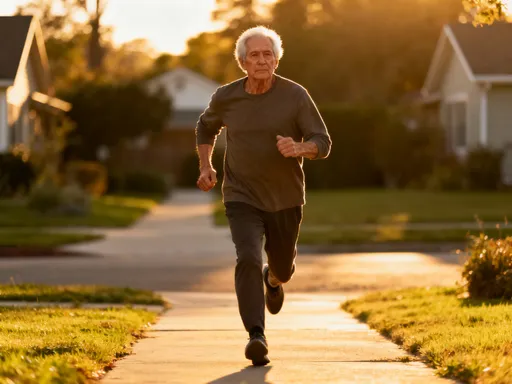
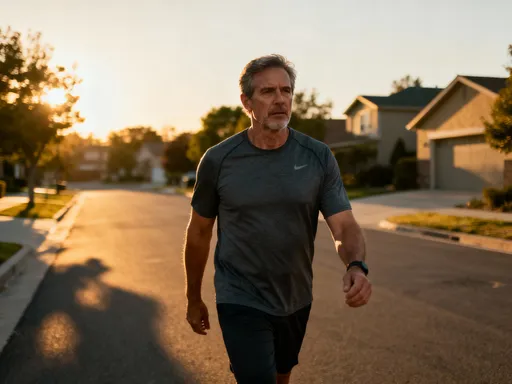
My journey began with the simplest form of movement: walking. I didn’t start with five miles or steep hills. I began with ten minutes after dinner, just around the block. At first, it felt almost too basic. Was this really going to make a difference? But within two weeks, I noticed changes—not just in my energy levels, but in my mindset. Walking became a ritual, a time to unplug, breathe, and reconnect with my body. I invested in a simple pedometer, not to obsess over numbers, but to track progress. My goal was 7,000 steps a day, gradually working toward 10,000.
What surprised me most was the impact of timing. My doctor suggested trying a 15-minute walk after meals, especially after dinner. I learned that physical activity after eating helps regulate blood sugar and supports circulation, both of which influence blood pressure. I noticed that on days I walked after supper, my nighttime readings were often lower. The pace didn’t need to be fast—just steady enough to raise my heart rate slightly. I wasn’t training for a race; I was training for health.
Consistency, I discovered, was far more important than intensity. Missing a day wasn’t failure; giving up was. I made walking non-negotiable, like brushing my teeth or taking my vitamins. Some days, it was in the morning before the house woke up. Others, it was during a phone call or while listening to a podcast. The beauty of walking is its accessibility. It requires no special skills, no equipment beyond a good pair of shoes, and it fits into almost any schedule. Over time, those small efforts added up. After six weeks, my systolic number dropped by 12 points. My doctor was impressed. I was hopeful.
Breathing-Based Movement: The Surprising Role of Yoga and Tai Chi
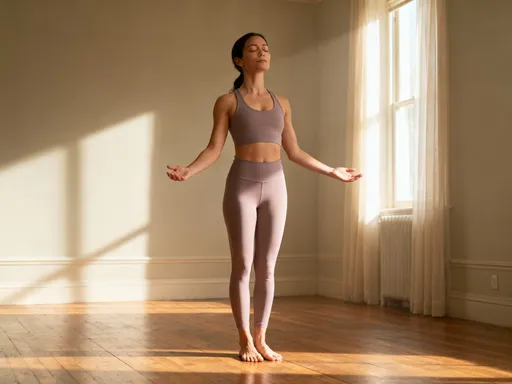
While walking addressed the physical side of blood pressure, I began to realize that stress was a silent contributor. I had always considered myself calm, but the truth was, I carried tension in my shoulders, my jaw, and my breath. That’s when I explored yoga and tai chi—gentle, flowing practices that emphasized breath control and mindful movement. I started with a beginner yoga video at home, just 10 minutes a day. No advanced poses, no pressure to be flexible. Just simple stretches, deep breathing, and a focus on being present.
What I didn’t expect was how quickly I felt calmer. The connection between breath and blood pressure is well-documented. When you breathe slowly and deeply, you activate the parasympathetic nervous system—the body’s “rest and digest” mode. This counters the stress response, which causes blood vessels to constrict and heart rate to rise. By practicing slow, diaphragmatic breathing, I was sending a signal to my body: you are safe, you can relax. Over time, this relaxation response began to influence my baseline blood pressure.
I incorporated poses like Child’s Pose, Cat-Cow, and Legs-Up-the-Wall—gentle movements that required minimal effort but delivered deep calm. I also tried tai chi, drawn to its slow, meditative motions. It felt almost like moving meditation. I practiced in my living room, following online tutorials, never pushing myself. The goal wasn’t fitness; it was regulation. Within a month, I noticed I was sleeping better, waking less anxious, and my morning blood pressure readings were more stable. These practices didn’t burn calories like running, but they healed in a different way—by restoring balance to my nervous system.
Strength Training: Not Just for Athletes
For years, I associated strength training with gyms, heavy weights, and people in workout gear. I never imagined it could be part of a heart-healthy routine. But my doctor explained that light resistance training, when done correctly, is not only safe but beneficial for blood pressure. It improves muscle efficiency, which in turn supports circulation and metabolic health. The key, she emphasized, was to avoid straining or holding my breath—common mistakes that can cause dangerous spikes in pressure.
I started with bodyweight exercises: wall push-ups, seated rows using resistance bands, and chair squats. I focused on form, not speed. Two sets of 10 to 12 repetitions, two to three times a week, was enough to build endurance without overexertion. Resistance bands were my favorite tool—affordable, portable, and effective. I could use them while watching TV or during a break in the afternoon. The movements were slow and controlled, never explosive.
Over time, I noticed my stamina improving. Carrying groceries, climbing stairs, even gardening became easier. My muscles weren’t bulking up—they were becoming more efficient at supporting my daily life. Research supports this: regular strength training can improve vascular function and contribute to modest reductions in blood pressure. The American College of Sports Medicine recommends moderate-intensity resistance training for adults with hypertension, as long as proper technique is used. I made sure to exhale during exertion, never hold my breath, and always warm up and cool down. This form of exercise didn’t dominate my routine, but it strengthened it—literally and figuratively.
What to Avoid: Common Exercise Mistakes That Can Backfire
As I became more confident in my routine, I had to learn what not to do. Not all exercise is safe for high blood pressure, especially when starting out. I once tried a high-intensity video I found online, pushing myself to keep up with rapid jumps and quick movements. Within minutes, I felt dizzy and my chest tightened. I stopped immediately and checked my blood pressure—it was elevated. That was a wake-up call. I learned that explosive movements, heavy lifting, and breath-holding (like during weightlifting without proper technique) can cause sudden spikes in pressure, which are dangerous for people with hypertension.
I also realized the importance of warming up and cooling down. Jumping straight into activity stresses the cardiovascular system. Now, I always begin with five minutes of light walking or gentle stretching. At the end, I spend another five minutes cooling down, focusing on deep breathing. This gradual transition helps my heart adjust and prevents strain. I also avoid exercising in extreme heat or cold, which can affect blood pressure regulation.
Another lesson was recognizing warning signs. Dizziness, chest pain, shortness of breath, or extreme fatigue are not normal. They are signals to stop and seek medical advice. I made a rule: if I felt unwell during or after exercise, I wouldn’t push through. Recovery is part of the process. I also avoided competitive environments or workouts that made me feel pressured to perform. This journey wasn’t about proving anything—it was about protecting my health.
Building a Routine That Sticks: From Trial to Habit
The biggest challenge wasn’t the exercise itself—it was making it stick. At first, I treated it like a temporary fix. But I knew lasting change required a shift in mindset. I began scheduling my workouts like appointments, blocking time in my calendar. Morning walks, evening yoga, midweek strength sessions—they became non-negotiable acts of self-care. I stopped waiting for motivation. Instead, I relied on routine.
I combined walking, yoga, and strength training into a weekly rhythm. Three days of walking (30 minutes), two days of yoga (15–20 minutes), and two days of light strength work. I allowed flexibility—if I missed a day, I didn’t abandon the week. I tracked both physical results and emotional benefits. My blood pressure log showed progress, but so did my energy levels, my sleep quality, and my mood. I felt more in control, less reactive to daily stressors.
The shift wasn’t about perfection. It was about persistence. I stopped measuring success by dramatic drops and started celebrating consistency. Showing up, even for ten minutes, mattered. I reminded myself that this wasn’t a punishment for high numbers—it was a gift to my future self. Over time, these actions became automatic, woven into the fabric of my daily life. I didn’t need willpower anymore. I had built a habit.
Managing blood pressure isn’t about one dramatic fix—it’s the daily choices that add up. Exercise, when done right, becomes a quiet ally in protecting your long-term health. These methods aren’t flashy, but they’re proven, accessible, and within reach. Always work with your healthcare provider, but don’t underestimate the power of movement. Your heart is counting on it.