How I Fixed My Sleep Without Pills — Just Real Moves That Work
Struggling with sleep? You're not alone. I spent years tossing and turning, relying on quick fixes that never lasted. Then I tried something different — not another supplement, but a simple, science-backed exercise routine. No hype, no magic. Just movement that actually helped me fall asleep faster and wake up refreshed. This is what finally worked for me — and why it might work for you too.
The Sleep Struggle Is Real (And It’s Not Just You)
Sleep problems are more common than many realize, especially among adults balancing family, work, and personal responsibilities. For years, I would lie awake long after turning off the lights, my mind racing with the day’s unresolved tasks or tomorrow’s looming obligations. Even when I did fall asleep, I often woke up feeling as tired as when I went to bed. I wasn’t alone — according to the Centers for Disease Control and Prevention (CDC), about one in three adults in the United States regularly fails to get enough sleep. Chronic sleep deprivation is not just about feeling groggy; it’s linked to a weakened immune system, increased risk of heart disease, and difficulty managing mood and stress.
Many people turn to over-the-counter sleep aids or rely on caffeine to power through the day, creating a cycle that only worsens the problem over time. These temporary fixes don’t address the root cause: an overactive nervous system, poor daily habits, or a body that hasn’t been sufficiently engaged physically. I reached a point where I knew I couldn’t keep depending on pills or naps to function. I needed a sustainable, natural solution. That’s when I began exploring how movement — not medication — could help reset my body’s ability to rest.
What I discovered was both surprising and empowering: regular physical activity, even in modest amounts, can significantly improve sleep quality. Unlike supplements that promise results but often leave you dependent, exercise works with your body’s natural rhythms. It doesn’t require a gym membership or hours of training. The key is consistency and choosing the right kind of movement at the right time. This shift in mindset — from seeking quick fixes to embracing gradual, lasting change — became the foundation of my journey toward better sleep.
Why Exercise Actually Helps You Sleep Better
At first, the idea that moving more could help me sleep better seemed counterintuitive. Wouldn’t exercising make me more alert, not less? But the science behind it is clear. Physical activity influences several biological processes that directly affect sleep. One of the most important is the regulation of the circadian rhythm, the body’s internal clock that governs when we feel awake and when we feel tired. When you engage in regular exercise, especially in daylight hours, you help reinforce this natural cycle, making it easier to fall asleep at night and wake up feeling refreshed in the morning.
Exercise also reduces levels of cortisol, the stress hormone that can keep you awake even when you’re physically exhausted. High cortisol levels, often caused by prolonged stress or a sedentary lifestyle, can interfere with the production of melatonin, the hormone responsible for signaling sleep. By lowering cortisol through movement, the body becomes more receptive to melatonin’s calming effects. Additionally, physical activity increases the production of adenosine, a chemical that builds up in the brain during waking hours and creates the drive to sleep. The more active you are, the more adenosine accumulates, making it easier to fall asleep when bedtime arrives.
Another benefit of exercise is its impact on body temperature. After a workout, your core temperature rises, and then gradually drops over the next few hours. This cooling effect mimics the natural dip in body temperature that occurs before sleep, signaling to your brain that it’s time to rest. This is one reason why exercising in the afternoon or early evening can be particularly effective for improving sleep onset. While the mental benefits of exercise — like improved mood and reduced anxiety — are often highlighted, it’s the combination of physiological changes that makes it such a powerful tool for better rest.
What Kind of Exercise Really Works for Sleep?
Not all forms of exercise are equally effective when it comes to improving sleep. While any movement is better than none, research suggests that moderate aerobic activities have the most consistent positive impact. Walking, cycling, swimming, and light jogging are excellent choices because they elevate the heart rate without overstimulating the nervous system. A study published in the journal Sleep Medicine found that participants who engaged in 30 minutes of moderate aerobic exercise three to four times per week reported falling asleep faster and spending more time in deep sleep stages.
Strength training also plays a supportive role. Building muscle through resistance exercises like bodyweight workouts, resistance bands, or weight lifting contributes to overall physical fatigue, which can enhance sleep quality. However, timing is crucial. Intense workouts, especially those that involve heavy lifting or high-intensity interval training (HIIT), can increase adrenaline and raise core body temperature too close to bedtime, making it harder to wind down. For this reason, it’s generally recommended to avoid vigorous exercise within two to three hours of going to bed.
The ideal exercise routine for sleep combines consistency, moderate intensity, and proper timing. Experts suggest aiming for at least 150 minutes of moderate-intensity aerobic activity per week, spread across several days. This could mean a 30-minute walk five days a week or three 50-minute sessions. The key is to find activities you enjoy and can maintain long-term. For me, walking became the cornerstone of my routine — it required no special equipment, could be done at any time, and gradually improved not only my sleep but also my energy levels during the day.
My Daily Routine: Small Moves, Big Changes
I didn’t start with grand plans or extreme workouts. My breakthrough came when I stopped focusing on intensity and started prioritizing consistency. I began with a simple 20-minute walk every morning, shortly after waking up. At first, it felt like just another task on my to-do list, but within a few weeks, I noticed subtle changes. I felt more alert in the morning, less reliant on coffee, and — most importantly — more tired at night in a healthy, natural way.
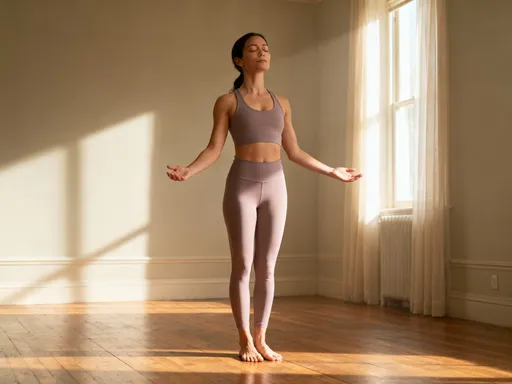
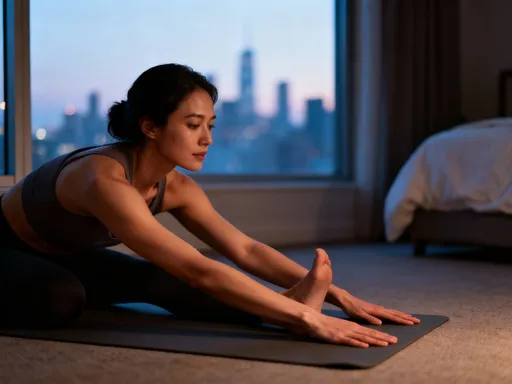
Later in the day, I added a short session of light resistance band exercises during my lunch break. These took only 10 to 15 minutes and helped counteract the physical stagnation of sitting at a desk or managing household tasks. In the evening, I incorporated gentle stretching or a brief yoga routine before bed. This wasn’t about pushing my body but about signaling to it that the day was winding down. Poses like child’s pose, seated forward bend, and legs-up-the-wall helped release tension in my lower back and shoulders, areas where I often carried stress.
To track my progress, I started using a basic sleep diary, noting when I went to bed, when I fell asleep, how many times I woke up, and how I felt in the morning. Over time, I could see patterns emerge. On days when I walked in the morning and stretched at night, I consistently fell asleep faster and woke up feeling more rested. On days when I skipped movement, my sleep quality declined. This feedback loop reinforced my commitment and helped me fine-tune my routine. The most powerful lesson was that small, sustainable actions — not dramatic overhauls — were what made the real difference.
Timing Matters: When to Move for Better Rest
One of the most important discoveries in my journey was that when I exercised mattered as much as what I did. Morning workouts, especially those done in natural light, helped anchor my circadian rhythm. Exposure to daylight during a walk reinforced the message that it was time to be awake, making it easier to feel sleepy later in the evening. Afternoon exercise, between 4 p.m. and 6 p.m., also proved beneficial. This is typically when body temperature peaks, which can enhance physical performance and lead to a more pronounced post-exercise cooldown — ideal for promoting sleep.
However, I learned the hard way that late-night workouts could backfire. On nights when I tried to squeeze in a high-energy session after dinner, I often found myself lying awake, heart still racing, mind too alert. While some people tolerate evening exercise well, others — especially those already prone to insomnia — may find it disruptive. The key is personalization. I began experimenting with different times and paying close attention to how my body responded. I noticed that even a short walk after dinner, as long as it was gentle and not too close to bedtime, could actually support digestion and relaxation.
Ultimately, I settled into a rhythm that worked for my lifestyle: morning walks, midday strength work, and evening stretching. This structure allowed me to stay active without overloading my system. For others, the ideal schedule might look different — perhaps a lunchtime workout or an early evening swim. The takeaway is not to follow a rigid rule but to observe your own patterns and adjust accordingly. Your body will tell you what works best if you listen.
Beyond the Workout: Lifestyle Tweaks That Boost Results
Exercise alone isn’t a magic bullet, but it becomes far more effective when combined with other healthy habits. As I became more consistent with movement, I naturally began paying more attention to other aspects of my daily routine. I started reducing screen time in the evening, especially the use of phones and tablets, which emit blue light that can suppress melatonin. Instead, I replaced late-night scrolling with reading a book or listening to calming music.
I also worked on establishing a more consistent bedtime. Irregular sleep schedules confuse the body’s internal clock, making it harder to fall asleep even when you’re tired. By going to bed and waking up at roughly the same time every day — even on weekends — I strengthened my circadian rhythm and made it easier to fall asleep naturally. Pairing this with a wind-down routine, such as dimming the lights and doing light stretches, sent a clear signal to my body that rest was coming.
Hydration and nutrition also played supporting roles. I made sure to drink enough water throughout the day, as dehydration can contribute to fatigue and poor sleep. I also avoided heavy meals and caffeine in the late afternoon and evening. Interestingly, I found that regular exercise increased my sensitivity to these factors — on days when I moved more, I noticed that even small amounts of late caffeine made it harder to fall asleep. This awareness helped me make better choices without feeling deprived. Physical activity amplified the benefits of good sleep hygiene, creating a positive feedback loop that improved every aspect of my well-being.
Staying Consistent Without Burning Out
Like anyone with a busy life, I’ve had days when motivation was low, when exhaustion won, or when unexpected responsibilities took priority. The biggest challenge wasn’t starting — it was staying consistent. I learned that expecting perfection set me up for failure. Instead, I focused on progress, not perfection. On days when a full workout wasn’t possible, I reminded myself that even a 10-minute walk or five minutes of stretching still counted.
To build sustainability, I used habit stacking — linking new behaviors to existing ones. For example, I paired my morning walk with drinking a glass of water and opening the curtains to let in natural light. Over time, these actions became automatic. I also created environmental cues, like leaving my walking shoes by the door, to reduce friction and make it easier to follow through. When fatigue was high, I shifted my expectations: a gentle movement day wasn’t a setback, but part of a balanced approach.
Motivation naturally fluctuates, but habits grounded in routine and self-compassion endure. I stopped viewing exercise as a punishment for poor sleep or a chore to check off. Instead, I began to see it as a form of self-care — a daily promise to myself to move, breathe, and honor my body’s need for balance. This shift in perspective made all the difference. I wasn’t doing it to fix myself; I was doing it to support myself. And that made consistency not only possible but meaningful.
Better sleep doesn’t require drastic changes or expensive solutions. What it does require is patience, consistency, and a willingness to listen to your body. My journey showed me that a sustainable exercise routine, tailored to your natural rhythm, can profoundly improve rest over time. It’s not a cure-all, but it is a proven, accessible tool backed by science. Movement helps regulate your internal clock, reduce stress, and create the physical conditions for deep, restorative sleep. While individual needs vary, the core principle remains the same: small, consistent actions lead to real, lasting change.
If you’re struggling with sleep, consider starting with something simple — a daily walk, some light stretching, or a few minutes of mindful movement. Pay attention to how your body responds. And remember, it’s always wise to consult a healthcare professional if sleep issues persist, especially if they affect your daily functioning. This approach isn’t about pushing harder or doing more; it’s about moving in a way that supports your well-being. Over time, those small efforts add up — not just in better sleep, but in a greater sense of balance, energy, and peace. You don’t need a miracle. You just need to begin.